



Employers who insist on executive-style, multi-stage interviews for casual and temporary staff are losing good candidates, damaging their brand, and may not understand the current market. This is especially true for blue collar and hands-on production and process workers, where speed, clarity, and respect for the candidate’s time are critical.
Casual and blue collar roles are not executive hires
Casual, temporary, and blue collar workers are usually needed quickly to keep operations running – to cover a production spike, a backlog, or an urgent vacancy – not to be put through a drawn-out assessment process. Treating a temp or hourly role like a senior executive search ignores how labour markets actually work: candidates have multiple options and will choose the employer who acts quickly and communicates clearly.
For a casual warehouse worker, process operator, labourer, or support worker, a single, focused hiring conversation is appropriate. Especially when you are working with an experienced recruiter. Employers who require panel interviews, “meet the team” rounds, and multiple site visits for casual roles are out of touch with the current market and candidate skill shortages.
Why multiple interviews drive people away
Every extra interview stage increases the risk that candidates drop out or accept other offers. Blue collar and hands-on workers, in particular, often juggle shift work, family commitments, and transport constraints; asking them to attend two or three separate interviews is a fast way to push them towards an employer who can make decisions promptly.
While you are trying to coordinate calendars, another business has secured them after one streamlined conversation and one shift. The extra stages rarely change who you would hire, but they regularly cost you good people who simply cannot afford to wait.
Your recruiter has already done the heavy lifting
When you work with an experienced recruitment or labour hire agency like Blaze Staffing, you are buying their interview skills, screening and due diligence. Before a candidate ever lands on your desk, they have:
-
Been screened against your brief for skills, licences, tickets, and availability.
-
Completed a structured interview covering work history, attitude, reliability, and safety awareness and transportation.
-
Had references check with previous supervisors to verify performance and reliability.
- Proven in the past that they are hard working and reliable.
Recruiter has already made them demonstrate that they can do the job and turn up reliably. Repeating the same interview process at your end does not improve the outcome; it just communicates that you do not trust your own partners and that you are not considering the full process.
The impact on candidate experience and your reputation
Lengthy, repetitive processes create a poor candidate experience, especially when the role is casual, temporary, or physically demanding. For many blue collar workers, every unpaid hour they spend attending interviews is time they are not earning, and they remember which employers made things harder than necessary.
People talk – in workshops, on job sites, and online. If your organisation becomes known for overcomplicating simple hiring decisions, strong workers decline your roles. Over time, your casual pool shrinks, you spend more on recruitment, and you end up hiring from a weaker talent base because the best people have moved on to employers who treat them with more respect. It’s also difficult for the recruiter to keep them engaged when your process goes over the top compared to others.
If you are not getting the right people or achieving the desired outcome perhaps you should investigate if your current staffing supplier is actually interviewing and background checking. Perhaps it’s time to really understand the market and how it has shifted and changed in past 5-10years.
If you are unsure about the current market, hiring rates, availability we never charge for a chat, the Blaze team are happy to discuss your needs and advise anytime.
What a streamlined process should look like
For casual, temporary, and blue collar roles sourced via an agency such as Blaze Staffing we would:
- Outline the candidates strength and weakness
- Arrange to get them started on your site which is the best way to test skills and work ethic
- Find the right people with the right skills at the time you require them
Any additional steps should have a clear, unique purpose; if they do not, they should be removed.
Employers who continue to run executive-style gauntlets for casual, temporary, and blue collar workers will keep losing the very people they say are “impossible to find.” The problem is not the talent pool; it is the process.
Trust the work your recruiters have already done, keep your own assessment tight and relevant, and move quickly.
Anything more is not diligence – it’s detrimental.

Related Blogs
Read news and insights into a variety of industries

Make Sure Your Hiring Practices Aren’t Doing Your Brand Damage.
For businesses operating in fast-paced, high-compliance sectors like manufacturing, food production, and pharmaceuticals, recruitment is often seen as a matter of urgency. You need boots on the ground. You need people yesterday. But here’s the hard truth: if your hiring process is rushed, disjointed, or inconsistent, it’s not just costing you candidates-it’s damaging your brand….
Who Holds the Risk? Why Workforce Management Needs More Than Just ‘Good Enough’ Support
Managing a workforce is no small task. If you’re an Operations Manager, Production Manager, or Business Owner, you already know: when something goes wrong with your staff, the liability ultimately sits with you. In Australia, under Work Health and Safety (WHS) laws, employers (and host businesses using labour hire workers) have significant obligations to ensure…

Want More Shifts? Here’s How to Become a Recruiter’s Go-To Candidate
If you’re a casual worker looking to pick up more shifts, get first call-ups, or lock in ongoing assignments, here’s some good news: it’s not always about having the most experience. In fact, recruiters often value attitude, reliability, and flexibility just as much- sometimes even more. So, how do you stand out in a…

Meeting FSANZ & GMP Standards starts with the right workforce.
In highly regulated industries such as food manufacturing, bakery production, and pharmaceuticals, compliance is not just a box-ticking exercise -it’s an operational imperative. Whether you’re producing baked goods for retail shelves or compounding medicines in sterile facilities, strict adherence to food and safety standards is essential. In Australia, these standards are governed primarily by…

The Compliance Checklist – Upcoming Changes Affecting Small Business Compliance
Upcoming Changes Affecting Australian Businesses in 2025 & Beyond As Australian businesses navigate a rapidly evolving regulatory landscape, staying informed and compliant is more critical than ever. A series of legislative changes are set to impact businesses in 2025 and beyond, covering tax, employment law, and superannuation. Partnering with a knowledgeable staffing agency like Blaze…
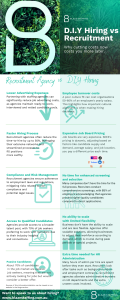
DIY Hiring vs Recruitment
Sources: https://www.linkedin.com/pulse/top-recruitment-agency-statistics-you-should-know-adoffshore-ionje/ https://flair.hr/en/blog/hiring-statistics/ https://www.ibisworld.com/au/industry/employment-recruiting-agencies/1463/ https://workstaff.app/blog/staffing-industry-statistics
