



Your super is your money: How to check it’s being paid.
A practical guide for workers before Payday Super starts on 1 July 2026
Superannuation is not a bonus or a nice extra. It is part of your employment entitlement and part of your long-term financial future. If your employer is required to pay super for you, that money belongs in your nominated super fund.
The challenge is that many workers only check super once a year, or only look at the super amount shown on their payslip, without confirming whether the money actually reached their fund. That needs to change.
From 1 July 2026, Payday Super will require employers to pay superannuation contributions at the same time they pay wages, with contributions reaching the employee’s nominated super fund within 7 business days. This reform is designed to make unpaid or late super easier to identify and harder to ignore.
You do not need to wait until Payday Super starts. You can check your super now.
Why this matters
Super is your money. If it is not paid, is paid late, or is paid to the wrong fund, your retirement savings can be affected over time. For casual, shift, production, warehouse and labour hire workers who move between jobs or work variable hours, missed super can be easier to overlook.
Most employers do the right thing, but payroll mistakes can happen. Fund details can be wrong. Payments can fail. Amounts can be listed on a payslip before they have actually landed in the fund. That is why workers should check the numbers, not just assume everything is correct.
Check your super fund first
Log in to your super fund account and check the employer contributions that have actually been received. Look at the dates, amounts and employer name.
Check ATO online services through myGov. This can help you see super information reported to the ATO and find any lost or multiple super accounts.
Compare contributions against your payslips. Your payslips should show super contribution information, but the key question is whether the money has actually reached your fund.
Do a quick 12% sense check. For the current financial year, the Super Guarantee rate is 12%. As a rough check, take your ordinary time earnings for the year and multiply that amount by 12%.
Quick super sense check Ordinary time earnings for the financial year x 12% = approximate super that should be paid.
Example: $45,000 x 12% = $5,400
Important: this is a practical sense check, not a final legal calculation. Super is generally calculated on ordinary time earnings until 30 June 2026. From 1 July 2026, the Payday Super rules use qualifying earnings for SG and SGC purposes.
If the amount in your super fund is much lower than expected, do not ignore it. There may be a reasonable explanation, such as quarterly payment timing, salary sacrifice, overtime treatment, fund processing delays, a correction still being processed or a payment made to another fund. However, you should ask the question and get a clear answer.
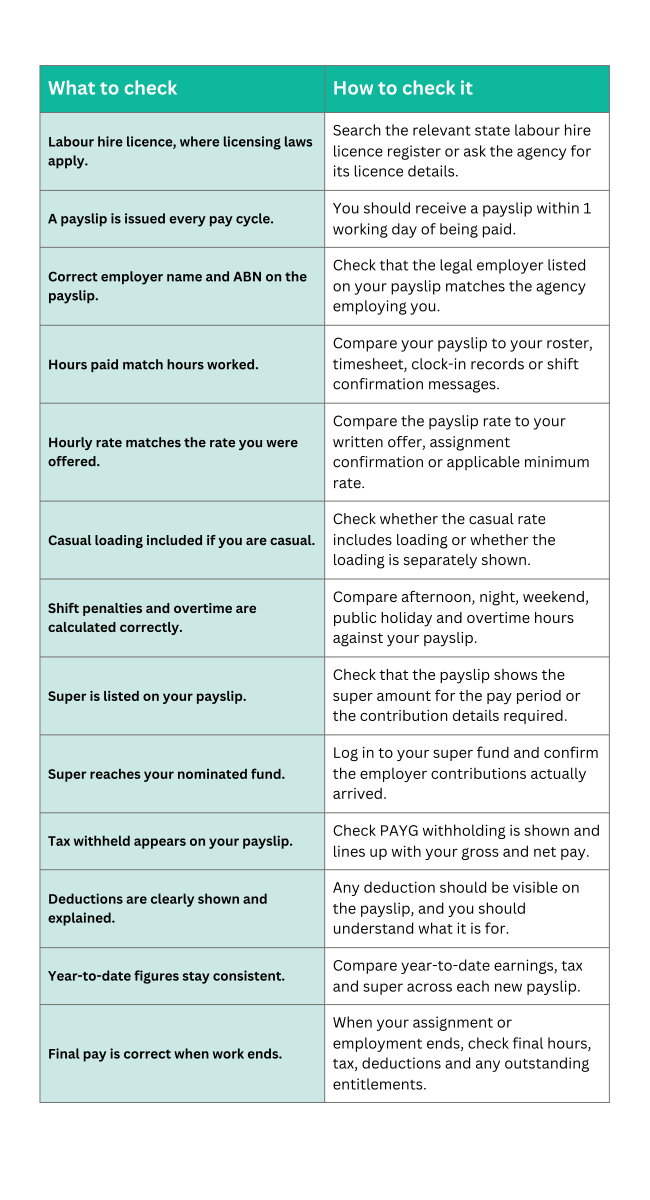
Payroll checks
Super is important, but it is only one part of employment compliance. If you work through a labour hire agency, you can also check the following items using your payslips, rosters, timesheets, super account and other records.

Related Blogs
Read news and insights into a variety of industries

Who Holds the Risk? Why Workforce Management Needs More Than Just ‘Good Enough’ Support
Managing a workforce is no small task. If you’re an Operations Manager, Production Manager, or Business Owner, you already know: when something goes wrong with your staff, the liability ultimately sits with you. In Australia, under Work Health and Safety (WHS) laws, employers (and host businesses using labour hire workers) have significant obligations to ensure…

Want More Shifts? Here’s How to Become a Recruiter’s Go-To Candidate
If you’re a casual worker looking to pick up more shifts, get first call-ups, or lock in ongoing assignments, here’s some good news: it’s not always about having the most experience. In fact, recruiters often value attitude, reliability, and flexibility just as much- sometimes even more. So, how do you stand out in a…

Meeting FSANZ & GMP Standards starts with the right workforce.
In highly regulated industries such as food manufacturing, bakery production, and pharmaceuticals, compliance is not just a box-ticking exercise -it’s an operational imperative. Whether you’re producing baked goods for retail shelves or compounding medicines in sterile facilities, strict adherence to food and safety standards is essential. In Australia, these standards are governed primarily by…

The Compliance Checklist – Upcoming Changes Affecting Small Business Compliance
Upcoming Changes Affecting Australian Businesses in 2025 & Beyond As Australian businesses navigate a rapidly evolving regulatory landscape, staying informed and compliant is more critical than ever. A series of legislative changes are set to impact businesses in 2025 and beyond, covering tax, employment law, and superannuation. Partnering with a knowledgeable staffing agency like Blaze…
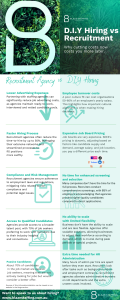
DIY Hiring vs Recruitment
Sources: https://www.linkedin.com/pulse/top-recruitment-agency-statistics-you-should-know-adoffshore-ionje/ https://flair.hr/en/blog/hiring-statistics/ https://www.ibisworld.com/au/industry/employment-recruiting-agencies/1463/ https://workstaff.app/blog/staffing-industry-statistics

How Temporary-to-Permanent Staffing could save your business time and money.
In a competitive business environment, finding and retaining the right talent is a challenge that many companies face. While traditional hiring processes can be time-consuming, temporary-to-permanent (temp-to-perm) staffing offers a strategic alternative that provides flexibility, cost savings, and may ensure a better long-term fit. Rather than independently searching for the “perfect candidate” through a lengthy hiring…
